Crypto Futures Liquidation: 6 Ways to Manage Leverage Risk
How does liquidation work in leveraged crypto trading? Maintenance margin, liquidation cascades, the October 10, 2025 crash and 6 practical ways to reduce your risk.
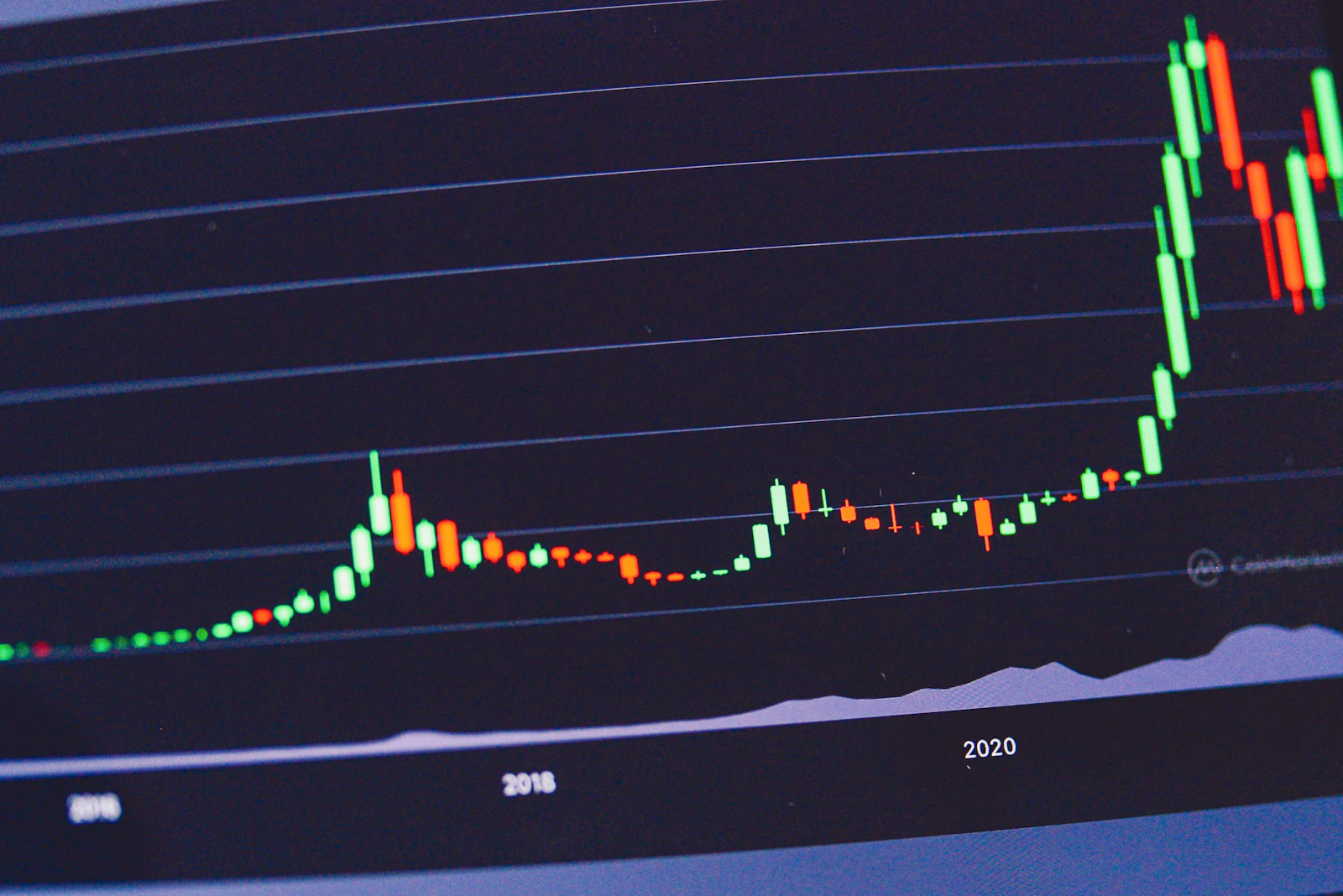
In the crypto market, futures let you open a much larger position with a small amount of collateral. Leverage magnifies losses just as much as it magnifies gains, and sooner or later the word most traders fear shows up: liquidation. In this article we explain in plain language how liquidation works, why it can trigger chain-reaction crashes and how you can limit your risk.
What is liquidation?
Liquidation is the automatic closing of a leveraged position by the exchange once its collateral can no longer cover the losses. The amount you deposit when opening a trade is the initial margin; the minimum that must stay in the account to keep the position open is the maintenance margin. As the price moves against you, your margin shrinks; as soon as it falls below the maintenance margin, the exchange steps in and closes the position.
Most exchanges do not use the last traded price for this calculation but a mark price derived from several markets. The goal is to prevent short-lived price wicks on a single exchange from causing unnecessary liquidations.
Higher leverage, smaller margin for error
A simple example: with 1,000 USDT of margin and 10x leverage you open a 10,000 USDT position. A move of about 10% against you wipes out the entire margin; because of the maintenance margin and fees, liquidation usually happens a little earlier. At 50x the same distance shrinks to about 2%, and at 100x to less than 1%. Since 1–2% moves within a few minutes are routine in crypto, high leverage often relies more on luck than on analysis.
Before opening a position, you can check your liquidation level with our liquidation price calculator.
How do liquidation cascades happen?
When many traders open positions at similar prices with similar leverage, their liquidation prices cluster in certain zones. When the price reaches such a zone, exchanges sell the closed positions with market orders (or buy them back in the case of shorts). These sudden orders push the price toward the next cluster, and the process turns into a self-reinforcing domino effect.
The most striking example came on October 10, 2025. After the US announced an additional 100% tariff on Chinese goods, more than $19 billion in leveraged positions were wiped out within 24 hours and about 1.6 million accounts were liquidated. Bitcoin fell from around $122,000 to below $105,000, and some altcoins dropped far more sharply. Thin weekend liquidity and record open interest played a decisive role in how large the move became.
What are liquidation maps for?
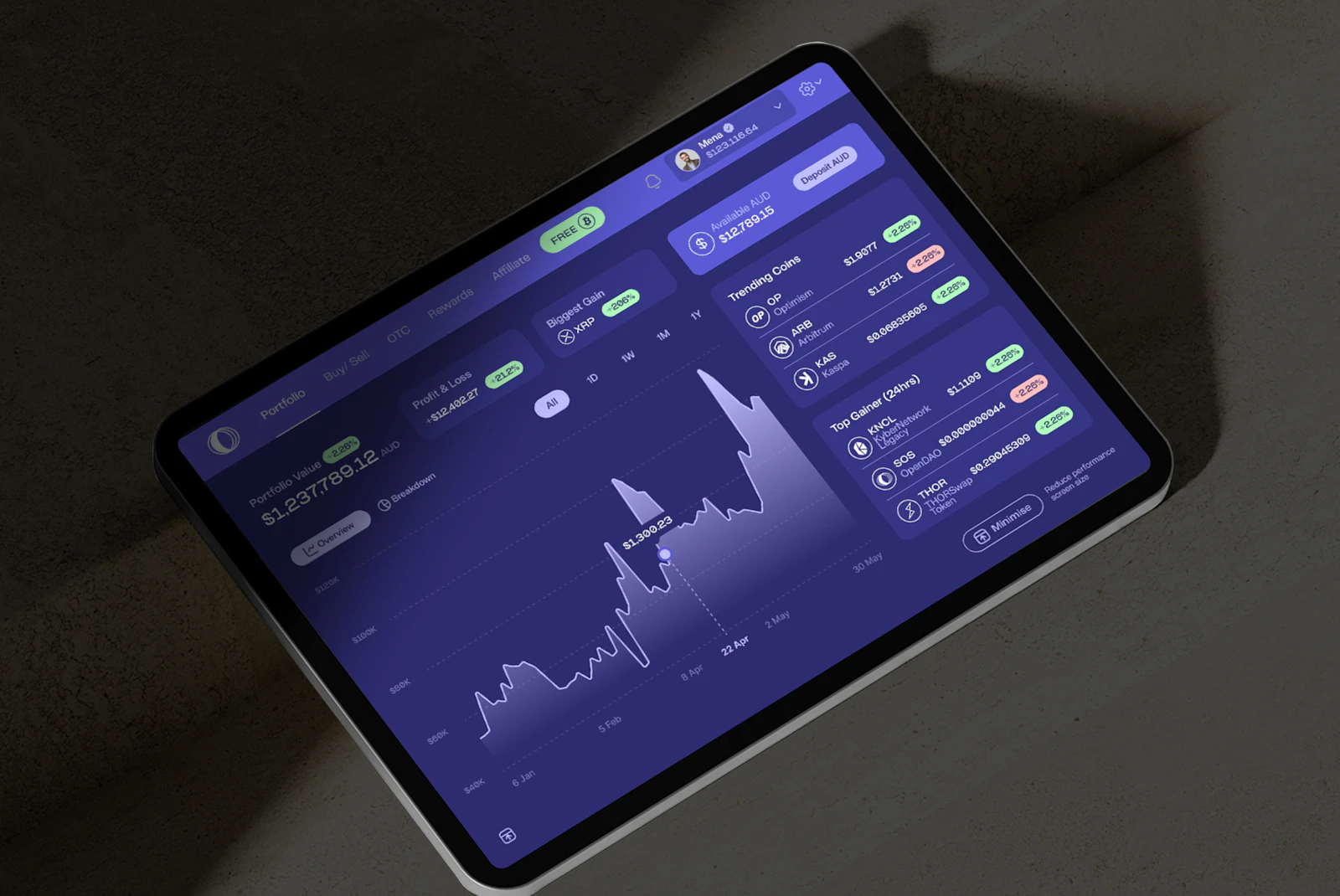
Liquidation maps use open interest data and typical leverage ratios to estimate at which price levels liquidations may concentrate. Bright zones point to areas with a high concentration of leveraged positions where sharp moves may follow if the price gets there. These zones are not exact targets, but they can be useful when setting a stop level or avoiding a crowded area. You can follow the latest estimates on our liquidation map and liquidation heatmap pages.
6 ways to reduce liquidation risk
- Use low leverage: a 2x–5x range leaves a much wider margin for error against normal volatility.
- Set a stop-loss: closing the position at a point you choose, before liquidation, keeps you in control and spares you the liquidation fee.
- Prefer isolated margin: with cross margin a loss on a single position can put the whole account at risk; in isolated mode the loss stays limited to that position.
- Limit position size: risk only a small part of your capital on any single trade.
- Watch out for thin liquidity: reducing leverage before weekends and major macro announcements can be wise.
- Monitor funding rates: extremely high funding rates can signal that the market is crowded on one side and that the risk of a sudden shakeout is rising.
Conclusion
Used correctly, leverage is a tool that offers flexibility; used wrongly, it can wipe out capital in minutes. Understanding how liquidation works, planning your exit before entering a trade and always putting risk ahead of expected profit are the basic rules for surviving in crypto futures.
This article is for informational purposes only and is not investment advice.